
(Even If You’re Not Installing Everything Yet)
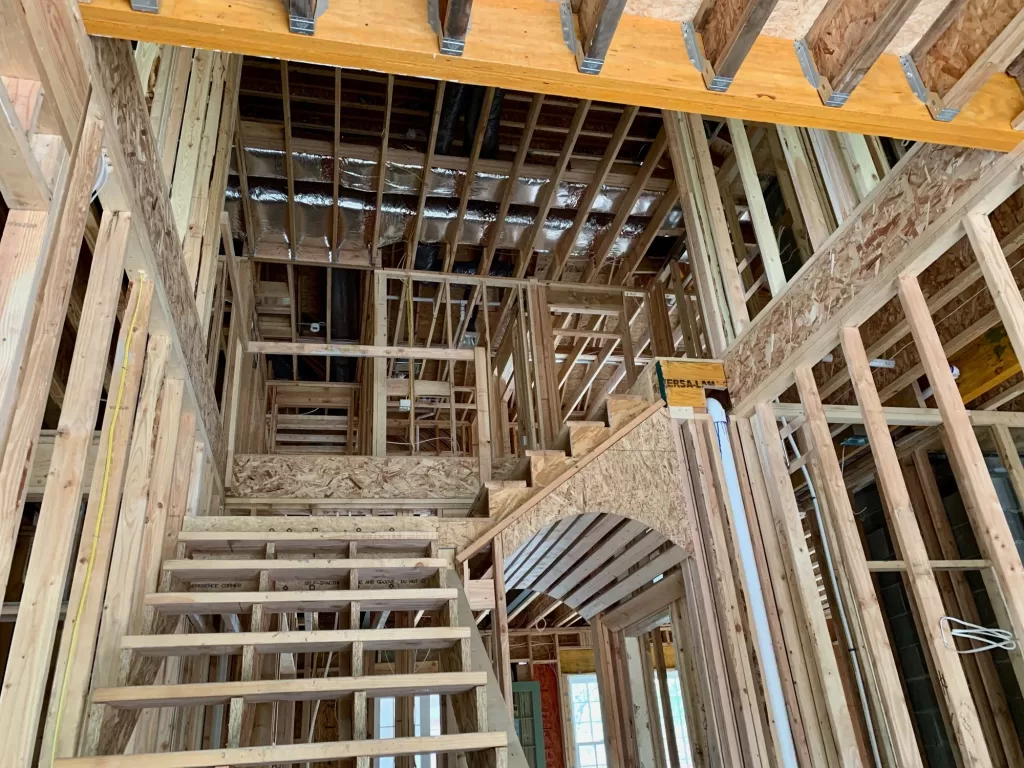
When people plan a new home or a gut-job remodel, they naturally focus on layouts, finishes, and materials. Floor plans, cabinets, countertops, and lighting get the attention—while some of the most important decisions happen before drywall, long before furniture or technology is even discussed.
One of those decisions is whether to prewire a new home for technology.
Even if you don’t plan to install a full smart home, whole-home audio, or home theater system during construction, prewiring is one of the smartest planning decisions you can make in 2026. It’s not about committing to products—it’s about protecting your options while the walls are open.
Here’s why.
Why Technology Planning Rarely Happens During Construction
Technology often feels optional compared to structural and finish decisions. Many homeowners assume wireless solutions will handle everything later, or they plan to “figure it out after move-in.”
The problem is that once the walls are closed, many of the best options are gone. Planning wiring during construction isn’t about installing everything—it’s about avoiding the regret of missing the opportunity entirely.
1. You’re Buying Flexibility, Not Gear
Prewiring isn’t a commitment to a brand or a system.
It’s a commitment to flexibility.
Prewiring during construction allows you to:
- Add technology later without cutting into finished walls
- Upgrade room by room instead of all at once
- Make informed decisions after you’ve lived in the home
Life changes. Priorities change. A prewired home lets your technology evolve with you instead of locking you into today’s assumptions.
2. Wireless Still Needs Wires (Especially in 2026)
Despite what marketing suggests, not everything is truly wireless.
Strong Wi-Fi, reliable streaming, distributed audio, security systems, and future upgrades all depend on structured wiring for new construction. Wireless devices still need a solid backbone to perform well.
Prewiring provides the infrastructure that modern homes rely on—quietly and invisibly—without forcing you to decide how you’ll use it yet.
3. It’s Dramatically Cheaper to Do Before Drywall
Running wire while walls are open is simple and efficient.
Running wire later usually means:
- Cutting drywall
- Fishing cables through finished spaces
- Patching, painting, and reworking trim
- Compromising on locations or performance
From a construction standpoint, this is one of those decisions you only get one clean chance to make. Prewiring costs far less during a build or gut remodel than retrofitting ever will.
4. You Future-Proof the Home (and Its Value)
Homes in 2026 are expected to support:
- Multiple TVs and streaming devices
- Work-from-home connectivity
- Outdoor living and entertainment
- Strong, consistent Wi-Fi throughout the property
A prewired home is a future-ready home, even if the technology itself comes later. This doesn’t just improve day-to-day living—it also protects resale value as expectations continue to rise.
5. You’ll Make Better Decisions After You Move In
Many homeowners try to design every system on paper before they’ve lived in the space. That often leads to over- or under-investing.
Prewiring allows you to:
- Learn how you actually use each room
- Decide where sound, TVs, or control matter most
- Invest with confidence instead of guessing
Planning doesn’t require final decisions. It simply keeps the best options available.
The Bottom Line
Prewiring isn’t about spending more money—it’s about planning smarter.
If you’re building a new home or planning a gut remodel, skipping technology planning entirely means giving up the easiest opportunity you’ll ever have to make your home work better long-term.
You don’t need to do everything.
You just need to prepare.
Coming next: What we prewire in every new build—whether homeowners install a full system now or years down the road.